Meet Our Community Partners
Meet our Community Partners
Community Partners are essential to The Human Resilience Project. These trusted local volunteers invite us into their communities, arrange interviews and introductions, and help us understand local protocols and ways of knowing. They are the bridge that makes our work possible. We literally could not conduct these expeditions without their generosity, enthusiasm, and commitment to sharing their communities with us. Our relationships with Community Partners are grounded in THRP’s four guiding principles: Respect, Relevance, Reciprocity, and Responsibility.1
Wata Guyo Ibrae
Wata Guyo Ibrae Gabra Community, Kenya
Wata Guyo Ibrae is a Gabra educator, translator, documenter of oral histories, and community partner from North Horr, Kenya. He has worked with historian and educator Paul Robinson since the late 1970s and has decades of experience facilitating cross-cultural research and exchange. In 2025, Wata served as community partner and translator for THRP’s expedition to the Gabra, facilitating introductions, interviews, and translation. His deep knowledge of Gabra history, culture, language, and pastoral traditions makes him an invaluable bridge between communities and visiting researchers.
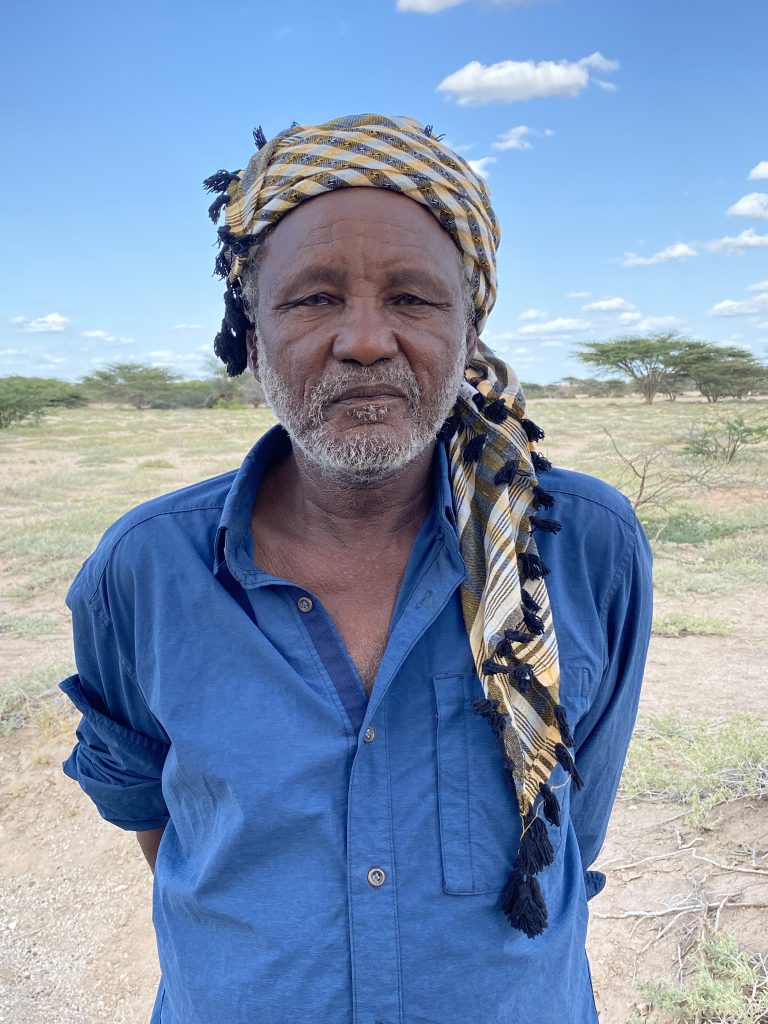
Wata Guyo Ibrae
Gabra Community, Kenya
Wata Guyo Ibrae is a Gabra educator, translator, documenter of oral histories, and community partner from North Horr, Kenya. He has worked with historian and educator Paul Robinson since the late 1970s and has decades of experience facilitating cross-cultural research and exchange. In 2025, Wata served as community partner and translator for THRP’s expedition to the Gabra, facilitating introductions, interviews, and translation. His deep knowledge of Gabra history, culture, language, and pastoral traditions makes him an invaluable bridge between communities and visiting researchers.
Rhonda Fifita
Māori Community, Aotearoa
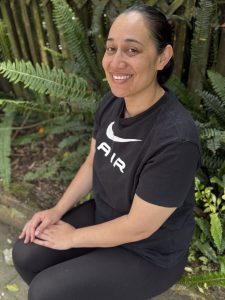
In addition to service on the research team, Rhonda served as our Community Partner in Aotearoa. Rhonda facilitated relationships and introductions within Māori communities and helped ensure the project approached its work with cultural awareness, respect, and accountability. A passionate advocate for Indigenous rights, Rhonda holds a law degree from Auckland University and is admitted as a Barrister and Solicitor of the High Court of New Zealand. She holds a Certificate in Māori Studies in Te Reo Rangatira and recently completed an MA in Community Engagement and Social Impact. Her work is grounded in the principles of Te Tiriti o Waitangi and a commitment to meaningful cross-cultural engagement.
Rhonda Fifita
Māori Community, Aotearoa
In addition to service on the research team, Rhonda served as our Community Partner in Aotearoa. Rhonda facilitated relationships and introductions within Māori communities and helped ensure the project approached its work with cultural awareness, respect, and accountability. A passionate advocate for Indigenous rights, Rhonda holds a law degree from Auckland University and is admitted as a Barrister and Solicitor of the High Court of New Zealand. She holds a Certificate in Māori Studies in Te Reo Rangatira and recently completed an MA in Community Engagement and Social Impact. Her work is grounded in the principles of Te Tiriti o Waitangi and a commitment to meaningful cross-cultural engagement.
Fred A. Eningowuk
Iñupiat Community, Alaska, USA
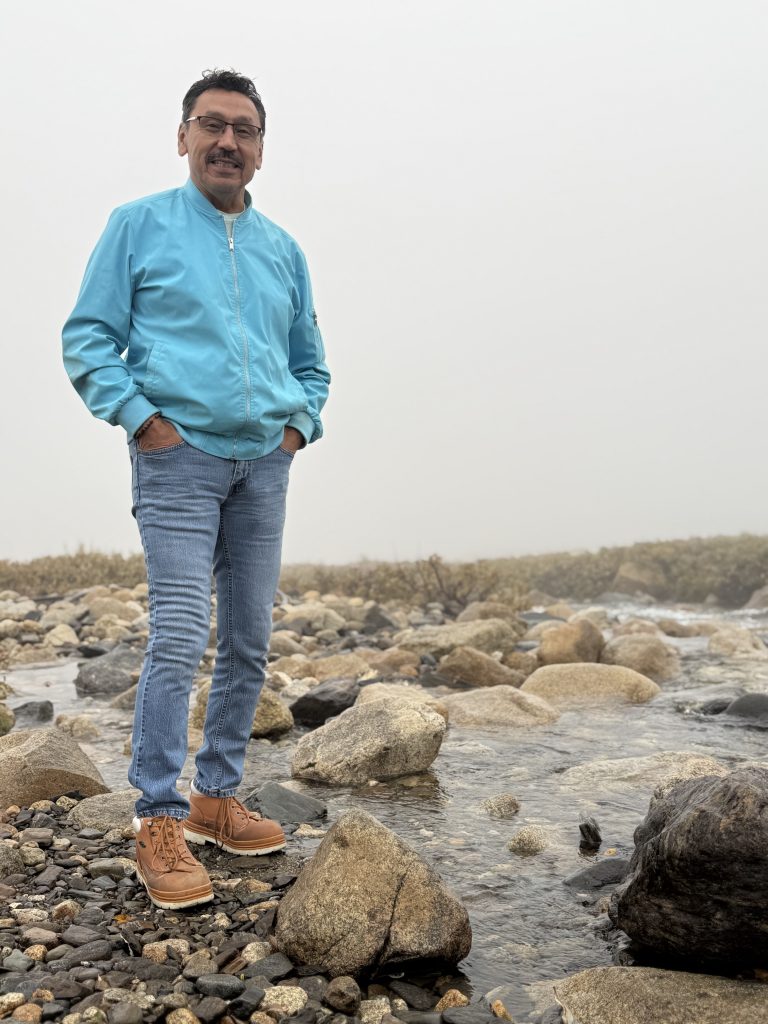
Fred A. (Pushulq) Eningowuk is an enrolled tribal member of the Nome Eskimo (Iñupiat) Community in Alaska. He’s named Pushulq after his late grandfather. He has served as director of Basic Food Employment Training at Northwest Indian College, a nationally accredited tribal college serving extended campus sites across Washington State and Idaho. Fred serves as board treasurer and loan committee chair for his tribal Community Development Financial Institution (CDFI) and on an Elder Advisory committee for an Alaska Village Corporation. His work connects tribal students from diverse backgrounds with resources and support as they develop new career skills, while preserving elder wisdom, advocating for healthy lifestyles, and honoring native traditions through education that brings Elders and Native Youth together.
Fred A. Eningowuk
Iñupiat Community, Alaska, USA
Fred A. (Pushulq) Eningowuk is an enrolled tribal member of the Nome Eskimo (Iñupiat) Community in Alaska. He’s named Pushulq after his late grandfather. He has served as director of Basic Food Employment Training at Northwest Indian College, a nationally accredited tribal college serving extended campus sites across Washington State and Idaho. Fred serves as board treasurer and loan committee chair for his tribal Community Development Financial Institution (CDFI) and on an Elder Advisory committee for an Alaska Village Corporation. His work connects tribal students from diverse backgrounds with resources and support as they develop new career skills, while preserving elder wisdom, advocating for healthy lifestyles, and honoring native traditions through education that brings Elders and Native Youth together.
Maria Paz Brown Beckelmann
Guaraní (Alto Paraná) Community, Paraguay
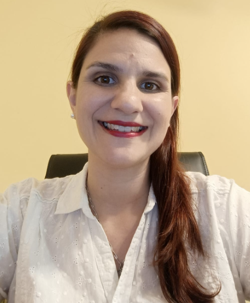
Maria Paz Brown Beckelmann, MBA, is Executive Director of AFS Paraguay, the international educational exchange organization, following nearly 13 years with Good Neighbors Paraguay. She brings more than two decades of experience in youth development, human rights advocacy, and community initiatives, including work with Amnesty International. For The Human Resilience Project’s Paraguay expedition, Maria coordinated with Amnesty International and the local community leader to facilitate Dr. Scharff’s visit and introductions to the Alto Paraná Guaraní community. She and Dr. Scharff first connected through the Girl Scout/Girl Guide movement, where shared values of service and moral leadership forged a relationship now renewed through THRP.
Maria Paz Brown Beckelmann
Guaraní (Alto Paraná) Community, Paraguay
Maria Paz Brown Beckelmann, MBA, is Executive Director of AFS Paraguay, the international educational exchange organization, following nearly 13 years with Good Neighbors Paraguay. She brings more than two decades of experience in youth development, human rights advocacy, and community initiatives, including work with Amnesty International. For The Human Resilience Project’s Paraguay expedition, Maria coordinated with Amnesty International and the local community leader to facilitate Dr. Scharff’s visit and introductions to the Alto Paraná Guaraní community. She and Dr. Scharff first connected through the Girl Scout/Girl Guide movement, where shared values of service and moral leadership forged a relationship now renewed through THRP.
Supri Ketambe
Karo and Batak Communities, Sumatra, Indonesia
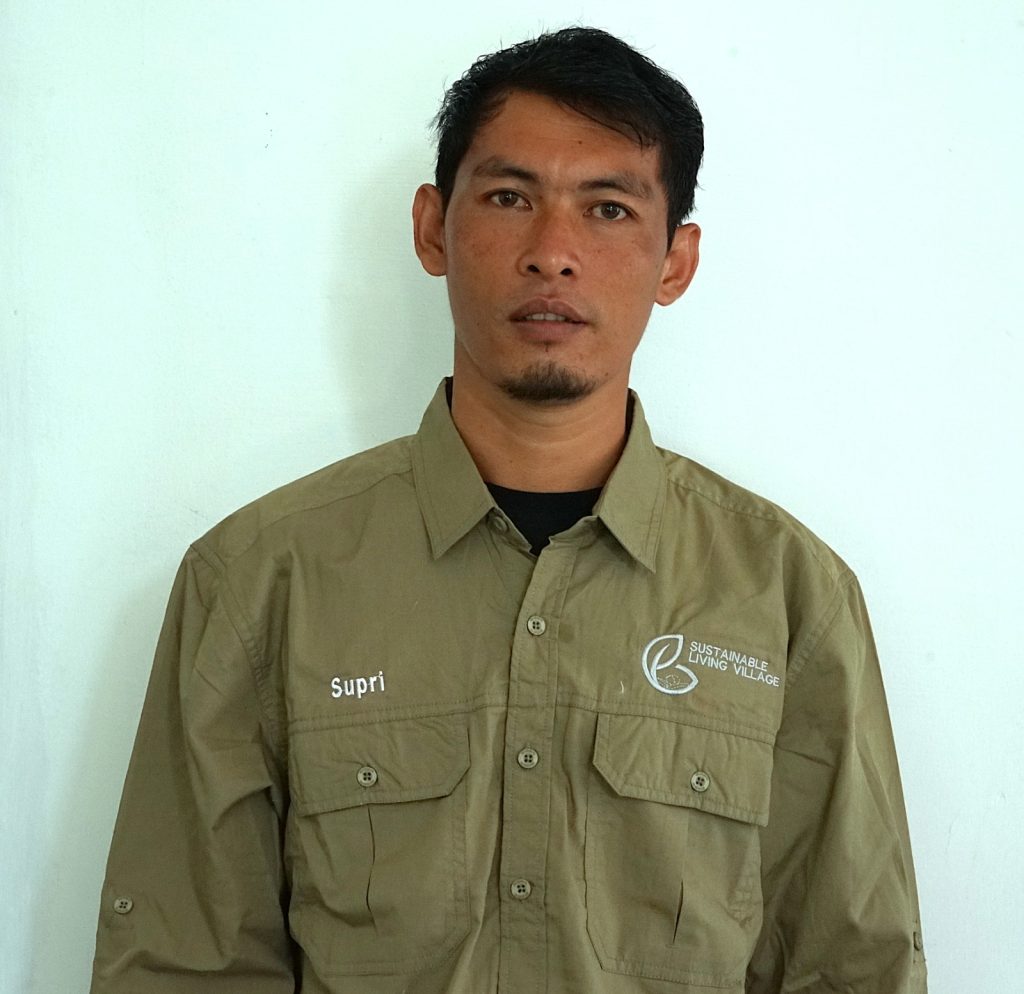
Supri Ketambe was born in 1990 in a Sumatran village adjacent to Gunung Leuser National Park and has worked in conservation since 2009. His career spans work in the Ketambe research station and Yayasan Ekosistem Lestari (YEL), where he contributes to vital orangutan research and conservation through partnership with the Sumatran Orangutan Conservation Programme (SOCP). Supri’s work focuses on habitat protection, rescue and reintroduction, and scientific study. As our Community Partner, Supri provides essential access to both conservation networks and local communities, while helping us understand and translate key cultural perspectives on mental health and resilience in the face of environmental crisis.
Supri Ketambe
Karo and Batak Communities, Sumatra, Indonesia
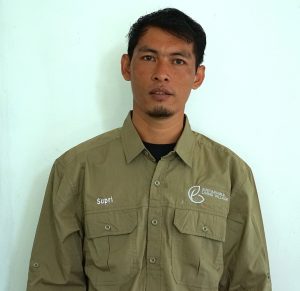
Supri Ketambe was born in 1990 in a Sumatran village adjacent to Gunung Leuser National Park and has worked in conservation since 2009. His career spans work in the Ketambe research station and Yayasan Ekosistem Lestari (YEL), where he contributes to vital orangutan research and conservation through partnership with the Sumatran Orangutan Conservation Programme (SOCP). Supri’s work focuses on habitat protection, rescue and reintroduction, and scientific study. As our Community Partner, Supri provides essential access to both conservation networks and local communities, while helping us understand and translate key cultural perspectives on mental health and resilience in the face of environmental crisis.
Rony Alfandary
Jewish Community, Israel
Rony Alfandary
Jewish Community, Israel