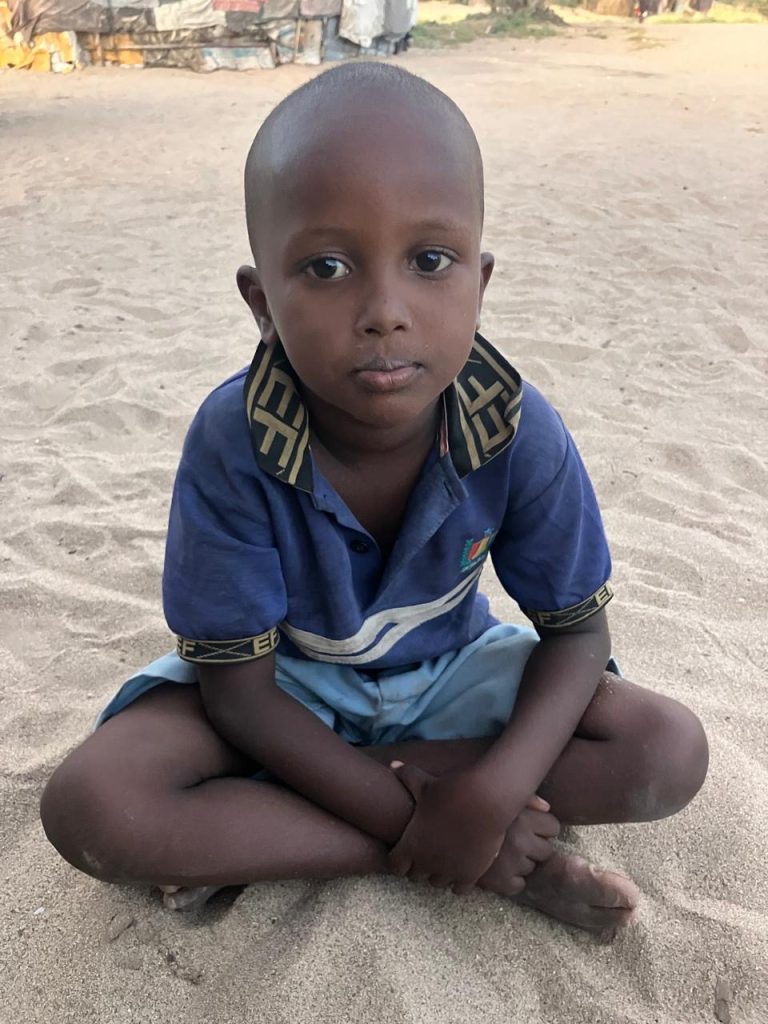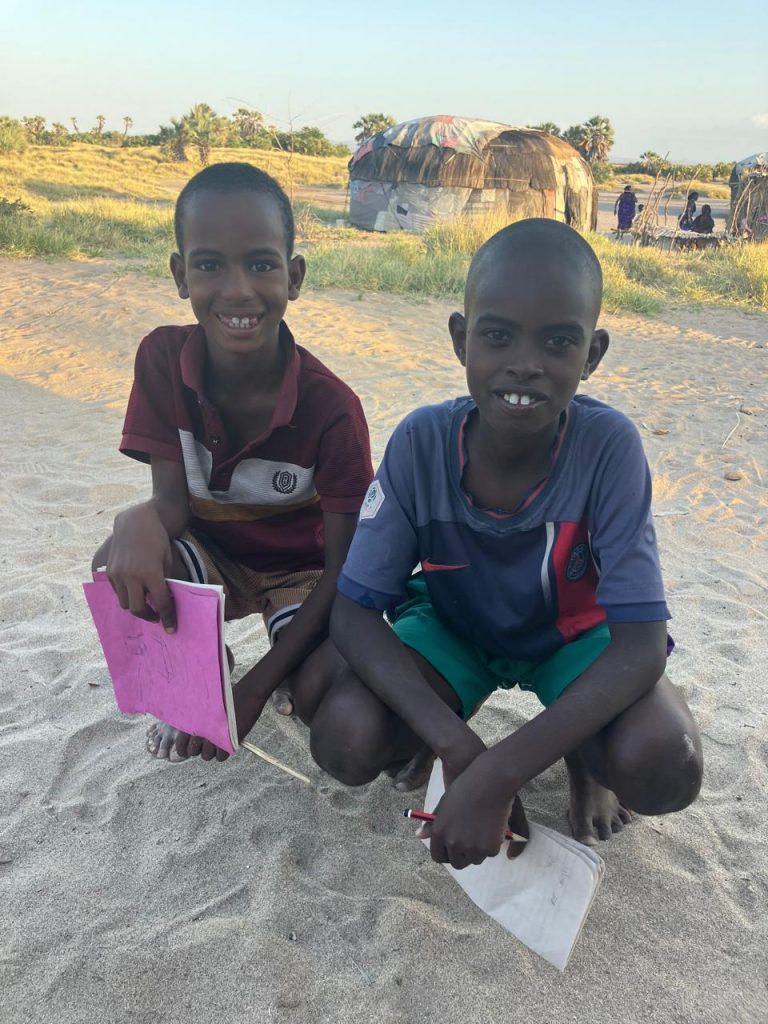
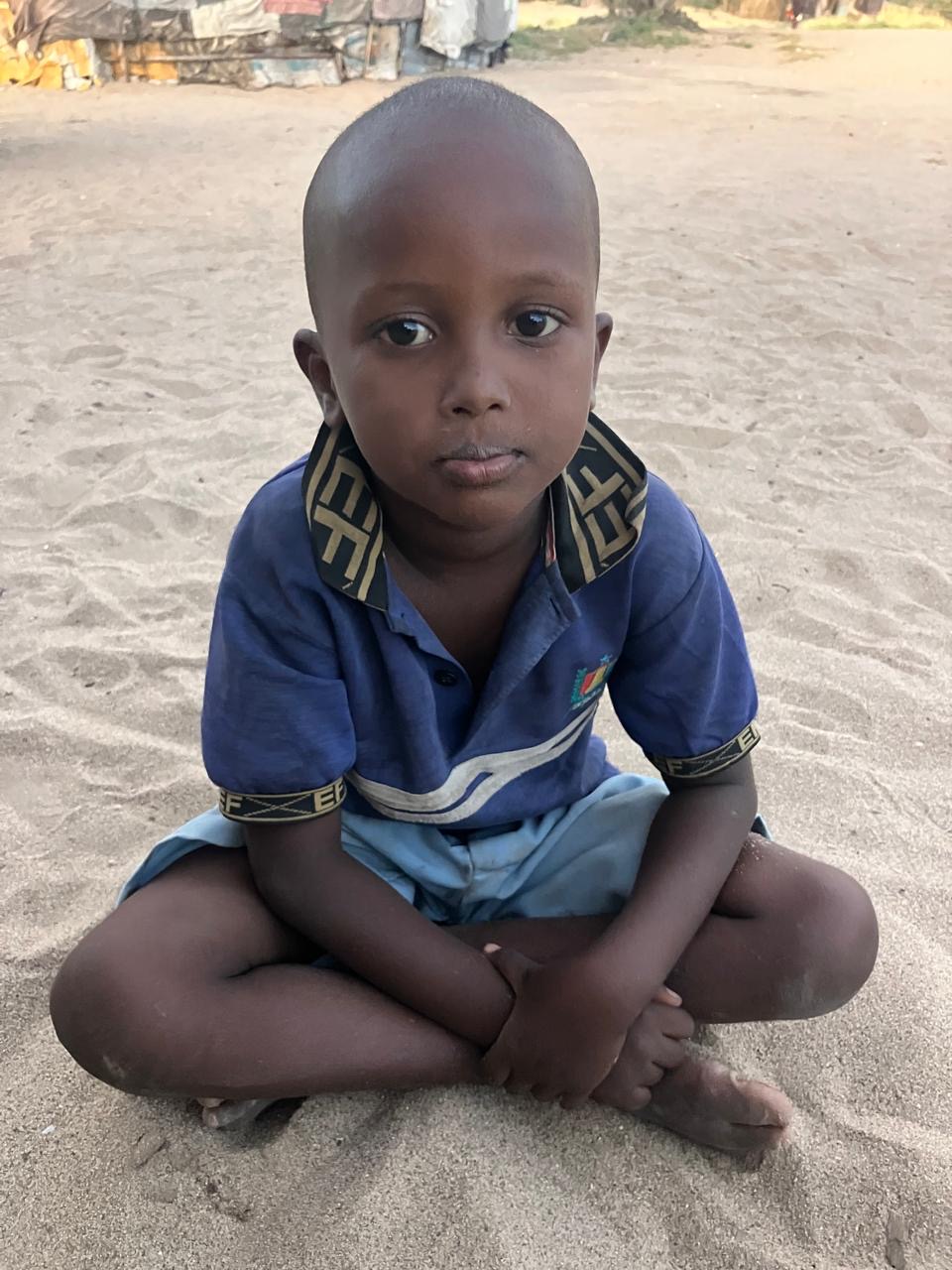
 Across every remote Indigenous community The Human Resilience Project has visited, from the Chalbi Desert in northern Kenya to the Ecuadorian Amazon, one request appears with striking consistency: books. Children ask for them directly. Principals describe classrooms devoid of materials. Parents speak of wanting their children fluent in many languages: mother tongue alongside English, Spanish, French, or Swahili. Literacy and fluency in many languages is central to how these communities understand their futures.
The Story Tree Literacy Project is THRP’s response. Grounded in the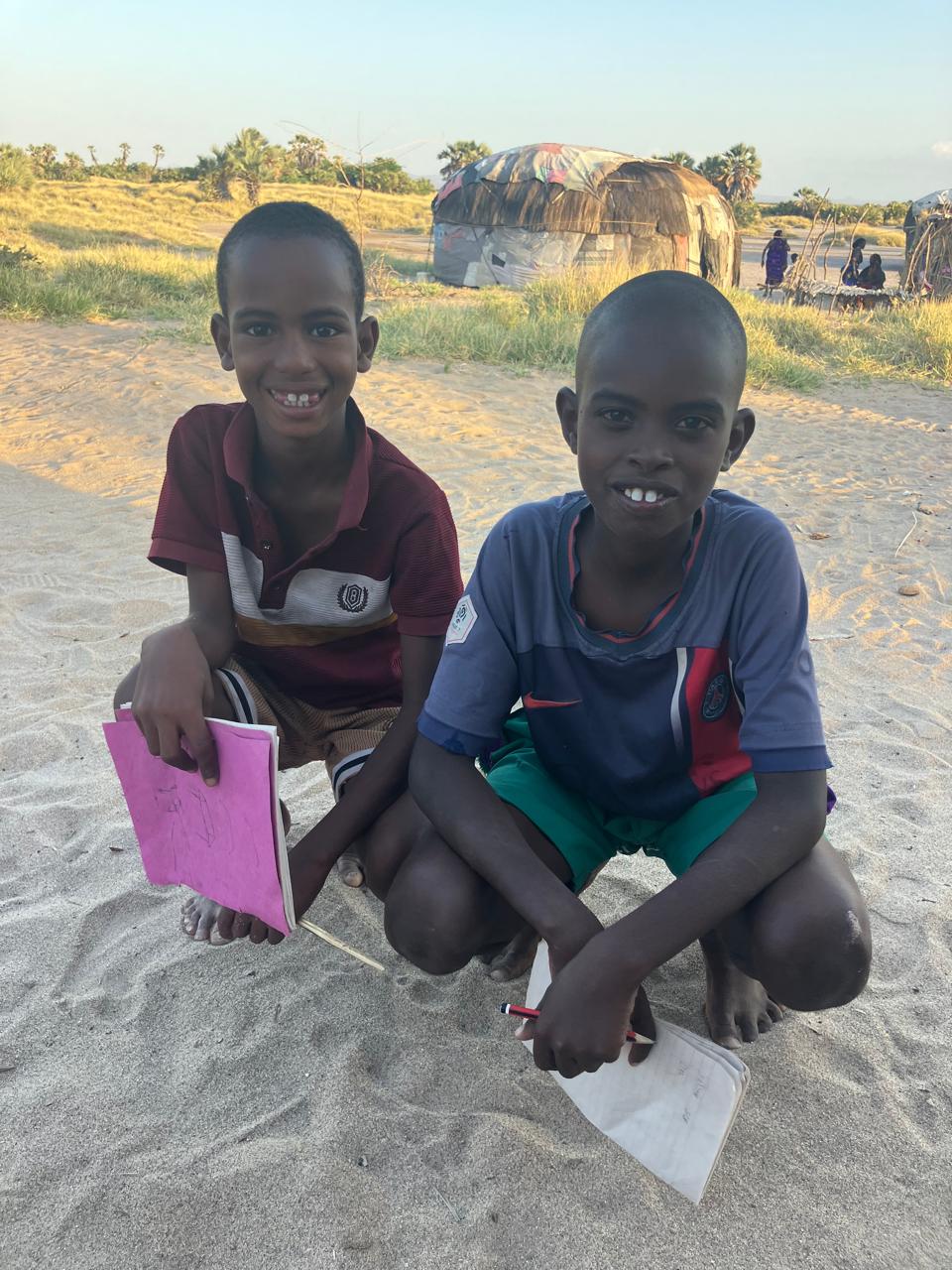 reciprocity that guides all of our field work, the project begins where the need is clearest: among the Gabra of northern Kenya, where there is no library at any school in the region and where children navigating one of the world’s most climate-stressed landscapes are simultaneously reaching for languages they have had little access to learn. We are piloting a model built for remote conditions—no roads, no infrastructure, no electricity in homes—beginning with a dozen children and an elder reading aloud under a tree.
The pilot is designed to answer practical questions: how do books reach places that roads don’t? If we use tablets, how do we charge them and pay for data? How do you build a culture of reading without displacing the oral traditions that carry knowledge? Where can we find books in mother tongue languages, to ensure that children become polyglots without displacing local connections and worldviews?
Once we understand what works in northern Kenya, we can bring the model to every community that asks, adapted by the community each time to local language, resources, and need. If you would like to donate to the project, you can give directly to the Northern Kenya Fund with the earmark, “Story Tree.” Every contribution goes directly to books, materials, and the community readers making this possible.
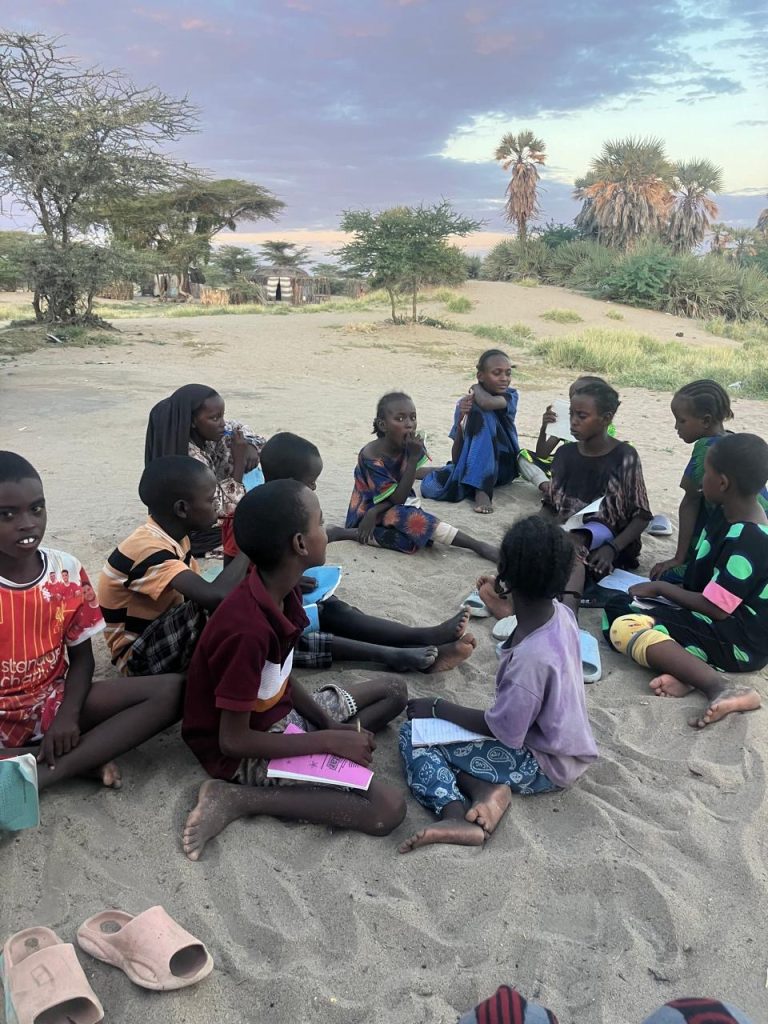
Across every remote Indigenous community The Human Resilience Project has visited, from the Chalbi Desert in northern Kenya to the Ecuadorian Amazon, one request appears with striking consistency: books. Children ask for them directly. Principals describe classrooms devoid of materials. Parents speak of wanting their children fluent in many languages: mother tongue alongside English, Spanish, French, or Swahili. Literacy and fluency in many languages is central to how these communities understand their futures.
The Story Tree Literacy Project is THRP’s response. Grounded in the reciprocity that guides all of our field work, the project begins where the need is clearest: among the Gabra of northern Kenya, where there is no library at any school in the region and where children navigating one of the world’s most climate-stressed landscapes are simultaneously reaching for languages they have had little access to learn. We are piloting a model built for remote conditions—no roads, no infrastructure, no electricity in homes—beginning with a dozen children and an elder reading aloud under a tree.
The pilot is designed to answer practical questions: how do books reach places that roads don’t? If we use tablets, how do we charge them and pay for data? How do you build a culture of reading without displacing the oral traditions that carry knowledge? Where can we find books in mother tongue languages, to ensure that children become polyglots without displacing local connections and worldviews?
Once we understand what works in northern Kenya, we can bring the model to every community that asks, adapted by the community each time to local language, resources, and need. If you would like to donate to the project, you can give directly to the Northern Kenya Fund with the earmark, “Story Tree.” Every contribution goes directly to books, materials, and the community readers making this possible.